


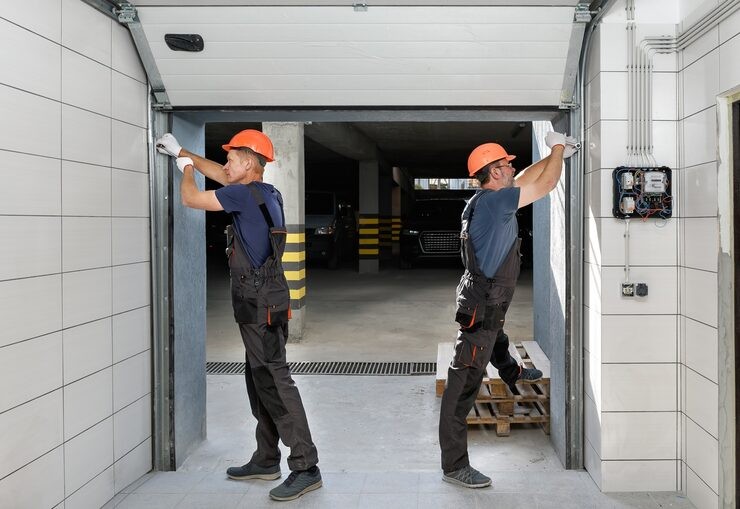
A garage door may look fine from the outside but still have problems that affect how it works. A door that makes strange noises, moves unevenly, or takes longer to open may have an issue hidden inside the system. Professional garage door repair can help find these problems before they lead to bigger damage. By checking the door’s moving parts, springs, cables, and opener, a technician can spot issues that are easy to miss during a quick look.
A dented panel or a broken handle is easy to notice. However, not every garage door problem is visible. Some parts can wear down over time without showing clear signs from the outside.
For example, a door may look normal but struggle to open because its springs are weak. Loose hardware can also cause shaking or loud noises during movement. In other cases, the opener may be working harder than usual because the door is not balanced properly.
These hidden issues can affect the entire system. That is why a proper inspection matters, even when the damage seems minor.
Garage door springs help support the door’s weight as it opens and closes. When a spring becomes worn or breaks, the door may feel heavier or stop moving properly.
A technician can check the spring system for signs of wear, damage, or uneven movement. They can also look for signs that the springs are no longer supporting the door as they should.
Spring problems should never be ignored. They can put extra strain on the opener and other parts. Since springs are under high tension, repairs should be handled by trained professionals rather than attempted as a DIY job.
Cables and rollers help guide the garage door along its tracks. If a cable becomes worn or a roller starts to fail, the door may move unevenly or make unusual sounds.
These problems are not always easy to spot without a closer check. A technician can inspect the cables for damage and look at the rollers for signs of wear. They can also check whether the door is moving smoothly along the tracks.
If one part is not working properly, other components may experience extra strain. Finding the issue early can help prevent more damage and keep the door moving as it should.
Sometimes, the door itself is not the main problem. The opener may be the reason the system struggles to work properly.
A faulty motor, worn gears, loose wiring, or a problem with the remote can affect how the door responds. The opener may run without moving the door, stop halfway, or fail to close it completely.
During an inspection, a technician can test the opener and its controls to find the cause. They can also check whether a heavy or unbalanced door is putting too much pressure on the motor.
At J & S Garage Doors, we look beyond the obvious signs of damage. We check the door and its key parts to help find the source of the problem and recommend a suitable repair.
A garage door should move evenly along its tracks. If it is out of balance or the tracks are misaligned, the door may shake, drag, or stop during operation.
These problems can develop slowly. You might notice that one side moves faster than the other or that the door makes more noise than usual. Over time, poor alignment can cause extra wear on rollers, cables, and the opener.
A professional inspection can help identify these issues. A technician can check the door’s movement and determine whether adjustments or repairs are needed. Fixing the cause can help prevent repeated problems.
Modern garage doors use safety features to help prevent accidents. Sensors near the bottom of the door detect objects in its path and can stop the door from closing when something is detected.
If the sensors are dirty, misaligned, or damaged, the door may reverse without warning or refuse to close. The problem may seem like an opener failure, but the real cause could be the sensors.
A technician can test the safety system and check that the sensors respond properly. They can also inspect other safety features where applicable. These checks help make sure the door works reliably without putting people or property at risk.
Small problems can turn into major repairs when they go unnoticed. Regular garage door maintenance helps identify signs of wear before a part fails completely.
During a maintenance visit, a technician can inspect the springs, cables, rollers, tracks, hinges, and opener. They can also check the door’s movement and test its safety features.
This does not mean every issue will be avoided. However, routine checks can help catch developing problems early and give property owners a clearer picture of the door’s condition.
It is also worth paying attention to changes between service visits. New noises, slow movement, or a door that does not close properly are good reasons to arrange an inspection.
Do not wait for the garage door to stop working completely. Contact a professional if the door moves unevenly, makes loud or unusual sounds, reverses unexpectedly, or becomes difficult to open.
If a cable appears loose, a spring looks broken, or the door is hanging at an angle, stop using it. Keep people away from the area and arrange professional service. Do not try to adjust high-tension parts yourself.
Timely garage door repair can help identify the source of the problem and reduce the chance of further damage.
Visible damage is not always the full story. If your garage door is making unusual sounds, moving unevenly, or showing other signs of trouble, our team can inspect the system and help find the cause.
J & S Garage Doors provides professional garage door repair to help restore safe and reliable operation. Contact our team to arrange an inspection and get the right solution for your door.
Yes. Worn springs, loose hardware, damaged cables, and opener faults may affect operation without causing obvious damage to the outside of the door.
Inspection needs depend on how often the door is used and its condition. Regular professional checks can help identify worn parts and developing problems early.
Noises may come from worn rollers, loose hardware, track issues, or spring problems. A technician can inspect the system to find the cause.
Regular maintenance can help find small issues before they become more serious. However, it cannot prevent every breakdown, especially as parts age or wear out.
No. Garage door springs hold high tension and can cause serious injuries if handled incorrectly. Spring repairs should be completed by trained professionals.
A small change in how your garage door works can point to a hidden problem. With regular garage door maintenance, you can help keep the system in good condition and address wear before it gets worse.
Turn to J & S Garage Doors for professional inspections, repairs, and ongoing garage door care. Our team can help you understand what is wrong and choose the right next step.