


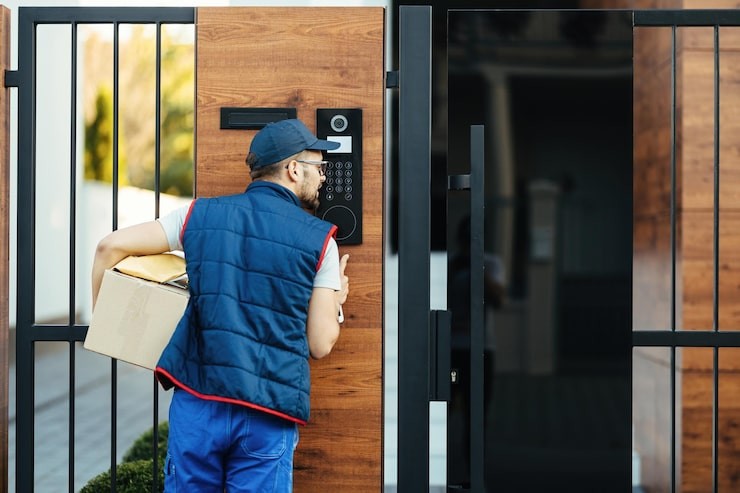
An automatic gate should open and close smoothly every time. However, poor alignment, loose parts, or an incorrectly fitted motor can cause the gate to drag, shake, or stop moving. These problems can affect daily access and lead to costly repairs. Professional automatic gate installation helps prevent many of these issues by making sure the gate, tracks, hinges, and motor work together properly from the start.
Gate alignment plays a big role in how well the system works. When a gate is fitted correctly, it moves along its intended path without dragging against the ground or putting extra pressure on its hinges.
If the gate is not aligned properly, you may notice uneven gaps, scraping sounds, or trouble opening and closing it. Over time, these problems can put extra strain on the motor and other parts.
A proper installation starts with checking the entrance, measuring the space, and making sure the gate is level. These steps help create a stable setup and reduce the risk of movement problems later.
At J & S Garage Doors, we help property owners choose and install gate systems that suit their space and daily needs. Our team considers the gate design, available room, and expected use to support smooth and reliable operation.
The area around the gate can affect how well it moves. Uneven ground, weak posts, or a poorly prepared base may cause the gate to shift out of position. A sliding gate needs a suitable path to move along. If the ground or track is uneven, the gate may drag or move from side to side. A swing gate also needs strong, properly placed posts to support its weight as it opens and closes.
During installation, these areas should be checked before the gate is fitted. A stable base and secure posts help keep the gate in place and reduce the chance of alignment issues.
The gate motor plays an important role in how the system moves. Automatic gate operators control the opening and closing of the gate, so choosing the right one matters.
Different gates need different operators. A heavy gate may need a stronger unit than a small residential gate. The gate’s size, weight, design, and daily use should all be considered before choosing the motor.
An operator that is too weak may struggle to move the gate. One that is not suited to the system may also place extra strain on the gate and its moving parts. Professional installation helps ensure that the operator matches the gate. The installer can also check the motor’s settings and test the movement before the system is put into regular use.
A gate that drags along the ground or shakes while moving may have alignment or fitting problems. These issues can start small, but they may get worse if left unchecked. Proper installation helps reduce the chance of these problems by ensuring that the gate is fitted securely and moves along the correct path. Hinges, rollers, tracks, and other moving parts need to be placed and adjusted properly.
For sliding gates, the track and rollers must support smooth movement. For swing gates, the hinges and posts must support the gate’s weight without allowing it to sag. Getting these details right from the start can help prevent unnecessary wear and reduce the need for repeated adjustments.
Automatic gates need safety features that help prevent accidents. Depending on the system, these may include sensors, safety edges, and controls that stop or reverse the gate when an obstruction is detected.
If these features are poorly placed or incorrectly set, the gate may stop for no clear reason or fail to respond as expected. This can affect both safety and daily use.
During automatic gate installation, the safety features should be fitted and tested according to the system’s requirements. The gate should also be checked to make sure it opens and closes at a suitable speed and responds properly to its controls.
Installing the gate is only one part of the job. The system also needs to be tested before it is used every day. An installer can open and close the gate several times to check for scraping, shaking, uneven movement, or unusual sounds. They can also check the operator, controls, and safety features.
If the gate does not move as it should, adjustments can be made before the work is complete. This helps catch small issues early rather than leaving property owners to deal with them later.
A proper final check can also confirm that the gate moves freely and that its parts are working together as intended.
Even a correctly installed gate needs regular care. Daily use, changing weather, dirt, and normal wear can affect how the system works over time.
Routine checks can help identify loose hardware, worn rollers, damaged hinges, track issues, or changes in alignment. Cleaning the moving path and arranging repairs when needed can also help keep the gate operating smoothly.
If the gate starts dragging, shaking, or making new sounds, it is best to have it inspected. Continuing to use a gate that is out of line may put more pressure on the operator and other parts.
A well-fitted gate can make everyday entry easier and help prevent avoidable movement problems. We can help you choose a system that suits your property and make sure the gate and operator work together properly.
J & S Garage Doors provides professional gate installation services for residential and commercial properties. Contact our team to discuss your gate setup and installation needs.
Uneven movement can result from poor alignment, loose hinges, worn rollers, track problems, or an operator that does not suit the gate’s size and weight.
Professional installation can reduce alignment issues by ensuring the gate posts, tracks, hinges, and operator are fitted and adjusted correctly from the start.
If the operator struggles to move the gate or the system has frequent movement problems, the setup may need to be checked. A technician can assess the gate’s weight and requirements.
Yes. Regular checks can help identify loose parts, worn components, and alignment changes before they lead to bigger problems or interrupt daily use.
Stop using the gate if it appears unsafe, and arrange a professional inspection. Dragging may point to alignment, track, hinge, or ground problems that need attention.
Alignment problems can put extra strain on the gate and its operator. With the right installation and ongoing care, many of these issues can be reduced. J & S Garage Doors can help you plan a dependable gate system and address installation concerns before they become bigger problems.
Reach out to our team to discuss your automatic gate needs and take the first step towards smooth, reliable operation.